Guide
What is Post-translational Modification (PTM) and Why is It Important?
 Yasin Polat
 the Omics · Guide
Post-translational Modification (PTM): What Is It and Why Is It Important? When Is a Protein Truly Ready?
Have you ever wondered if a protein is truly “ready” the moment it leaves the ribosome? The answer is no. Its journey within the cell is just beginning. This is where post-translational modifications (PTMs) come into play. Translation, often viewed as the final step in the classic flow of genetic information (DNA → RNA → Protein), is actually just a starting point. PTMs add the final touches to the synthesized polypeptide chain, enabling it to become a functional, active, and unique protein. In short, the most critical step that determines a protein's identity and fate happens after translation.
PTM: The Fifth Step in Biological Processes
Protein synthesis consists of four main steps: amino acid activation, initiation, elongation, and termination. The PTM step follows these four, acting as the fifth and final step essential for the protein to achieve its ultimate functional form. A newly synthesized polypeptide must undergo PTM to ensure its correct three-dimensional folding, determine its intracellular localization, and gain the ability to interact with other molecules.
Consequently, post-translational modifications determine a protein's structural integrity as well as its specific role in the cell. Different types of modifications, such as phosphorylation, glycosylation, acetylation, and methylation, can switch the protein's activity on or off, increase its stability, or direct it to a specific cellular compartment.
In other words, two proteins with the same amino acid sequence can have completely different functions if they undergo different PTMs. This diversity allows cells to adapt quickly to environmental changes and precisely control complex biological processes. Essentially, PTMs are the invisible artists that create the richness and vitality of the proteome.
Examples: The Vital Role of PTM
- Insulin Activation: The insulin molecule newly emerged from the ribosome is not an active hormone; it is a raw polypeptide called “preproinsulin.” This molecule undergoes a series of modifications within the cell, first turning into proinsulin, and then the active insulin form. During this process, specific regions are cleaved, disulfide bonds form, and finally, the familiar, functional hormone that regulates blood sugar emerges.
- Epigenetic Regulation: The acetylation or methylation of histone proteins plays a critical role in switching genes on and off, which is known as epigenetic regulation. These small chemical additions alter how tightly the DNA is packaged, thus determining which genes will be active.
In essence, a protein's fate is hidden not only in the genetic code but also in these fine-tuning adjustments made after translation. PTMs are the most influential directors behind the scenes of biology.
The Key to Proteomic Diversity
Post-translational modifications fundamentally underlie the biological intelligence of living organisms. Consider that the mammalian genome has fewer than 30,000 genes, yet millions of different proteins and functions can emerge. This complexity cannot be explained by translation alone. This is where PTMs step in. They take a single gene product and, by applying various “touches,” can generate hundreds, even thousands, of different proteoforms.
In short, PTMs effectively act as the cell's “biological diversity multiplier.” They take the basic potential offered by the genome, multiply it, and give the organism flexibility. When the cell needs to respond quickly to environmental changes or instantaneously react to signals, it can turn the protein's activity on and off using these modifications. This makes PTMs the cell's dynamic control system.
Cellular Organization and Location of PTMs
PTMs are important not only for what they do but also for where they occur. The cellular compartment where a modification takes place largely determines the protein's destiny and function. Therefore, the location of PTMs within the cell plays a critical role in protein biology.
1. PTMs in the Cytoplasm
Immediately after protein synthesis is complete, some modifications begin in the cytoplasm. These modifications ensure the polypeptide chain achieves its correct three-dimensional structure, thus guiding the protein's folding and stabilization process. PTMs occurring in the cytoplasm also help the protein acquire the “active” form necessary to interact with other cellular molecules. These initial steps form the foundation of the protein's functional life cycle.
2. Secretory Pathway and Membrane Proteins: ER/Golgi Modifications
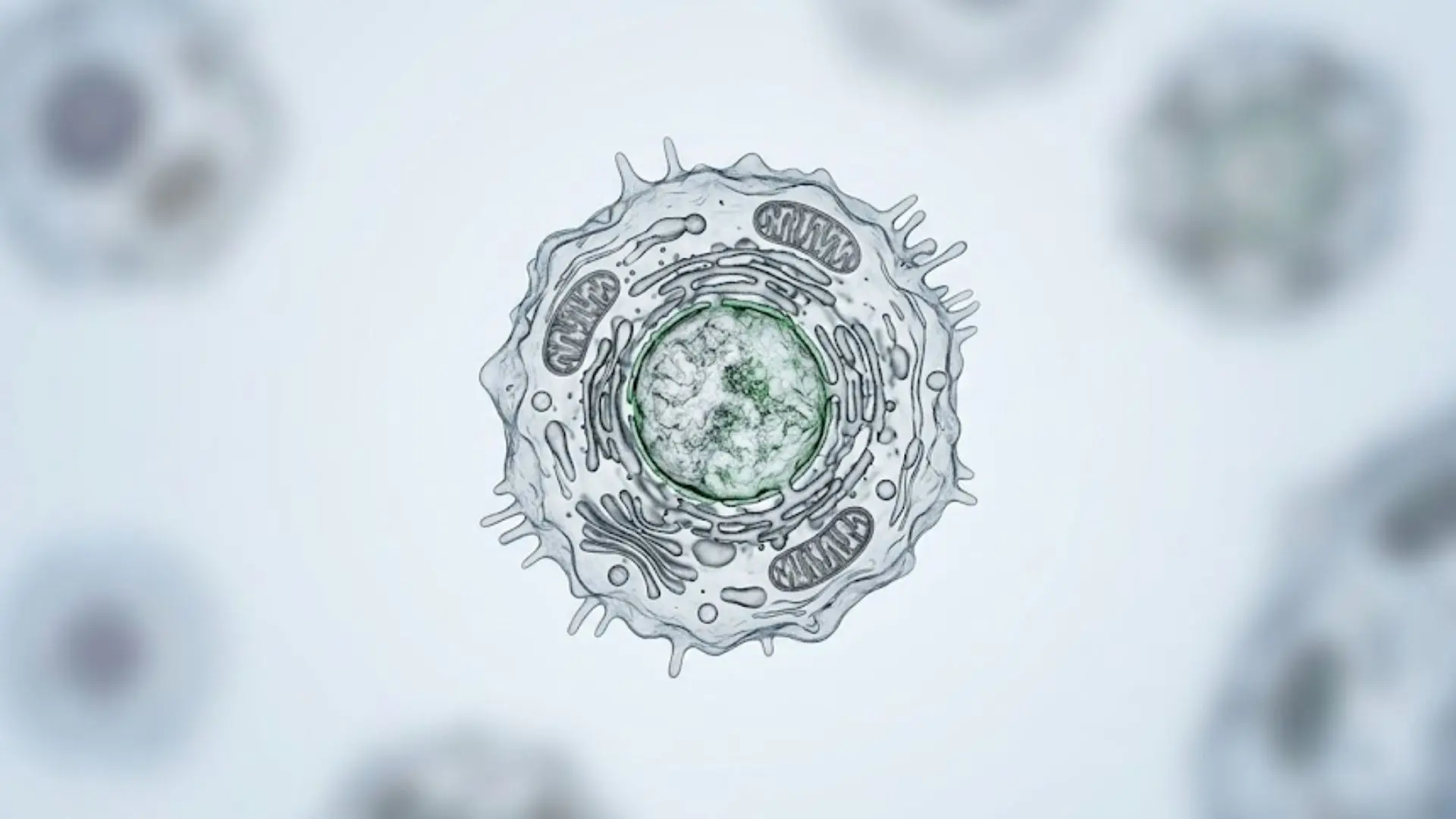
Translation of proteins destined for the secretory pathway and membrane proteins continues within the Endoplasmic Reticulum (ER). The ER and Golgi Apparatus are central hubs where critical PTMs for membrane-targeted proteins take place.
- Critical Function: Modifications occurring in the ER and Golgi include N-glycosylation, tyrosine sulfation, and proteolytic processing that converts inactive precursors (prohormones) into their active forms. For example, if the insulin hormone secreted from the pancreas is not properly modified in the ER—meaning the correct cleavages and linkages do not occur—the hormone cannot become active, disrupting blood sugar regulation and cellular function.
3. GPI Anchoring: The Cell Surface Placemark
- Definition: Certain proteins destined to function on the cell surface are tagged with a modification called Glycosyl Phosphatidyl Inositol (GPI). This acts as a “placemark,” ensuring the proteins are positioned exactly in the right place, on the cell surface.
- Importance: The GPI tag serves as a guide for the protein, essentially saying, “Go here, stay here, and perform your duty.” This ensures critical functions, such as immune response or cell-to-cell communication, can be executed at the correct location and time.
In Conclusion: Whether occurring in the cytoplasm or the ER/Golgi, PTMs are one of the cornerstones of cellular order, ensuring the protein functions at the right place and the right time. These modifications enable the cell to manage complex signaling networks, rapidly adapt to environmental changes, and precisely coordinate biological processes. Thus, PTMs are the invisible yet vital directors that unleash a protein's biological potential and strengthen the organism's adaptive capacity.
Concluding Thought: So, is a protein's destiny truly determined only by the genetic code, or by the fine adjustments made beyond that code? Without us even realizing it, how does life function in such a complex and harmonious way thanks to these small touches? Perhaps the magic of biology is hidden in these questions, the answers to which we do not yet fully know. See you in the next articles…
Bültenime Abone Olun
Tüm güncellemeleri doğrudan benden almak için abone ol!