Review
Speech-to-Reality Technology Becomes Real
 Yasin Polat
 the AI · Review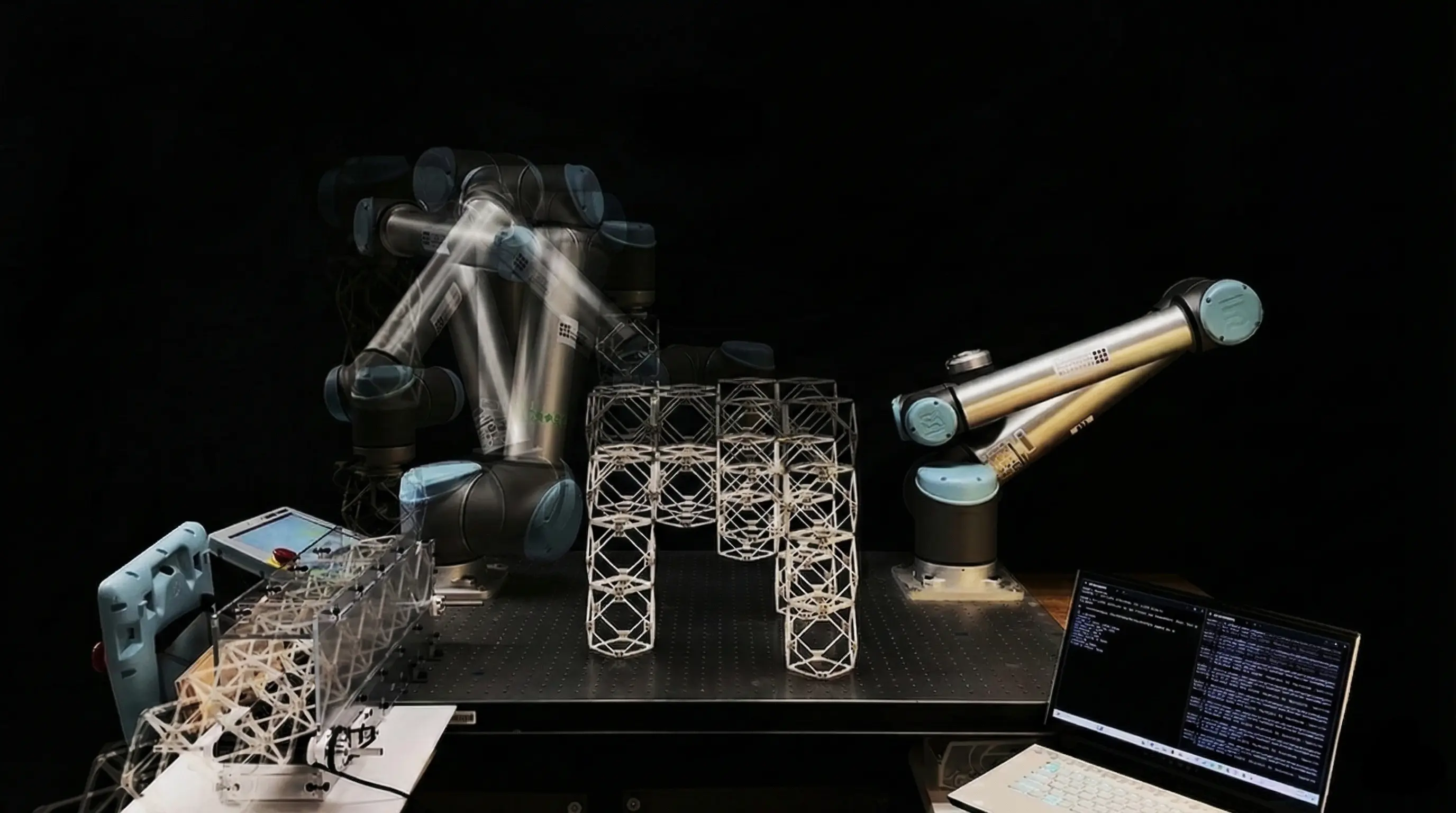
In recent years, generative AI and robotics have advanced so rapidly that I often catch myself wondering, “Are we on the verge of redefining our entire relationship with the physical world?” And right when I was thinking about this, MIT’s new speech-to-reality system appeared on my radar — and honestly, it surprised me.
The system essentially does this: you speak to a robotic arm, give it a verbal instruction, it listens, interprets, and then produces a physical object within minutes.
So How Does This Actually Work?
The MIT team tests the system with a simple request like “I want a basic stool,” and just a few minutes later, the robotic arm assembles a real stool. Think of it as a robotic version of GPT.
In the experiments, the team created stools, shelves, chairs, small tables, even decorative items like a dog figurine. All built using modular, reusable, and rapidly assembled components.
What Happens Behind the Scenes?
Here’s the part that fascinates me the most — the pipeline behind the whole system:
- It receives the spoken command,
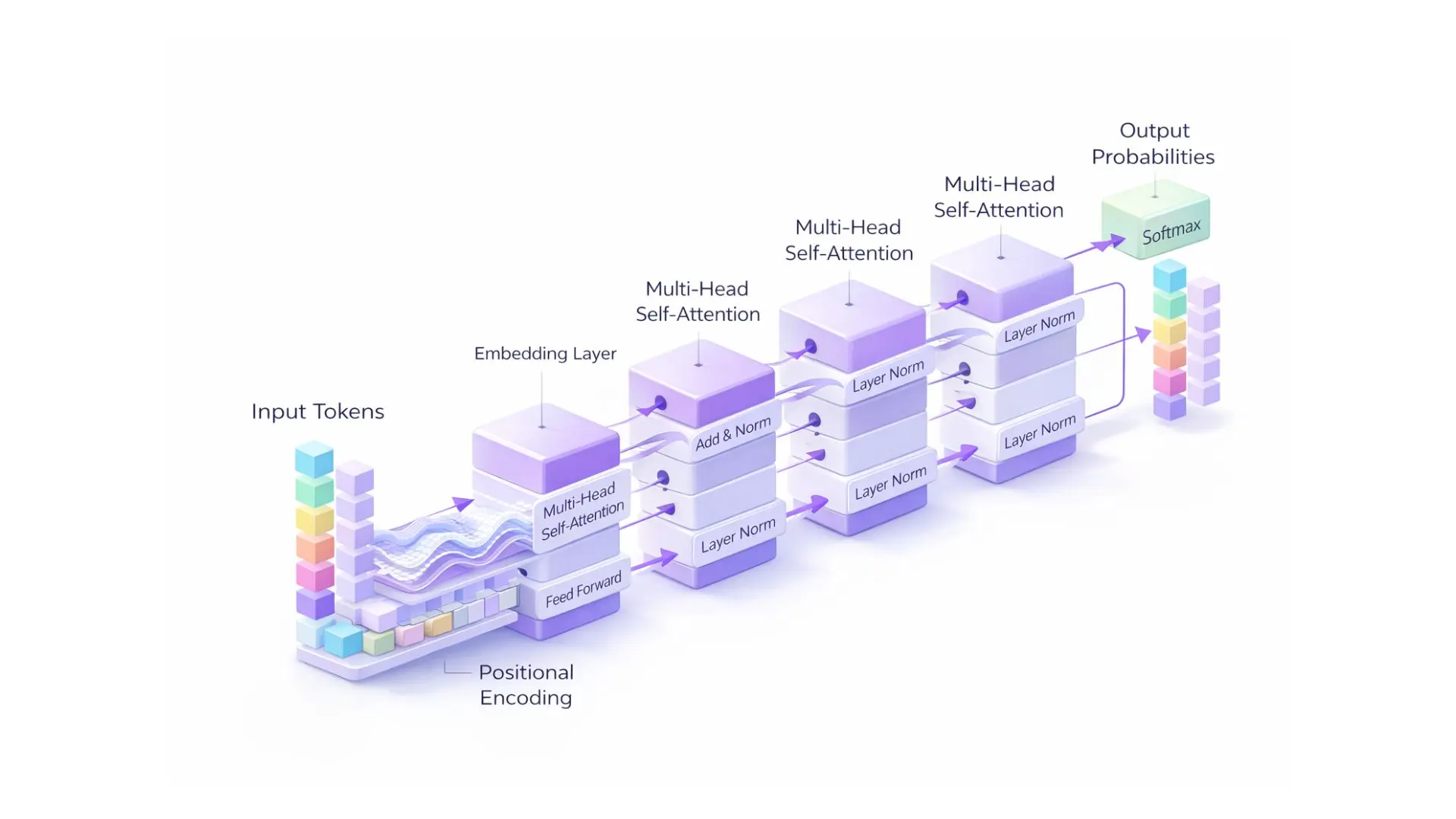
- Interprets it using a language model,
- A 3D generative AI model creates a digital object,
- The system converts that object into voxel-based components,
- A full assembly sequence is planned for the robot arm,
- The robot executes the plan and constructs the object in minutes.
Kyaw describes their creation as “a new collaborative production interface between humans, AI, and robots.”
He imagines a future where someone simply says “I want a chair” and minutes later a real chair materializes. His goal is to make physical object creation fast, accessible, and sustainable.
He puts it this way: “I’m working toward a future where we can control the essence of matter itself. I believe a world where reality is produced on demand is possible.”
Researcher Miana Smith adds that the team has been developing additional pipelines that convert voxel-based structures into assembly sequences for small, distributed mobile robots — an approach that could scale the method across a wide range of structures.
What stands out is that the whole process requires no 3D modeling, no robotics programming, no engineering expertise. In a way, it feels like an attempt to “democratize fabrication.”
The Sustainability Angle
Since the system uses modular pieces, objects can be disassembled and rebuilt into completely different forms. A stool becomes a shelf, a shelf becomes a table…
It’s a near waste-free method and incredibly practical for rapid prototyping.
What’s Next?
Researchers’ primary focus is redesigning the connection mechanisms of the modular cubes. Currently relying on magnets, these components are expected to be replaced with mechanical joints that offer higher load-bearing capacity and stronger structural integrity. This is especially important for furniture meant for real-world use.
The team is also working on making the interaction more intuitive and natural. Leveraging Kyaw’s background in gesture recognition and augmented reality, they’re developing a hybrid system that combines voice commands with gesture-based control.
At the same time, the project is not limited to a single robotic arm. The group is designing pipelines that convert voxel-based geometries into assembly plans for small, distributed mobile robots. If this approach works, the same principles could extend to larger architectural elements or even structures that self-assemble on-site. This opens the door to industrial manufacturing, emergency infrastructure, and more.
Reading about all these developments naturally raises a question:
Are we approaching a time when we will be able to produce reality only when we demand it?
Even if this vision still sits slightly on the experimental side, MIT’s work is undeniably a concrete and impressive step toward that future. With increasingly capable AI models, more advanced robotic systems, and emerging fabrication techniques, the instant creation of physical objects is starting to feel less like science fiction and more like a genuine engineering roadmap.
If you ask me, this MIT research feels like just the beginning of a much larger transformation.
Reference:
https://news.mit.edu/2025/mit-researchers-speak-objects-existence-using-ai-robotics-1205
Bültenime Abone Olun
Tüm güncellemeleri doğrudan benden almak için abone ol!